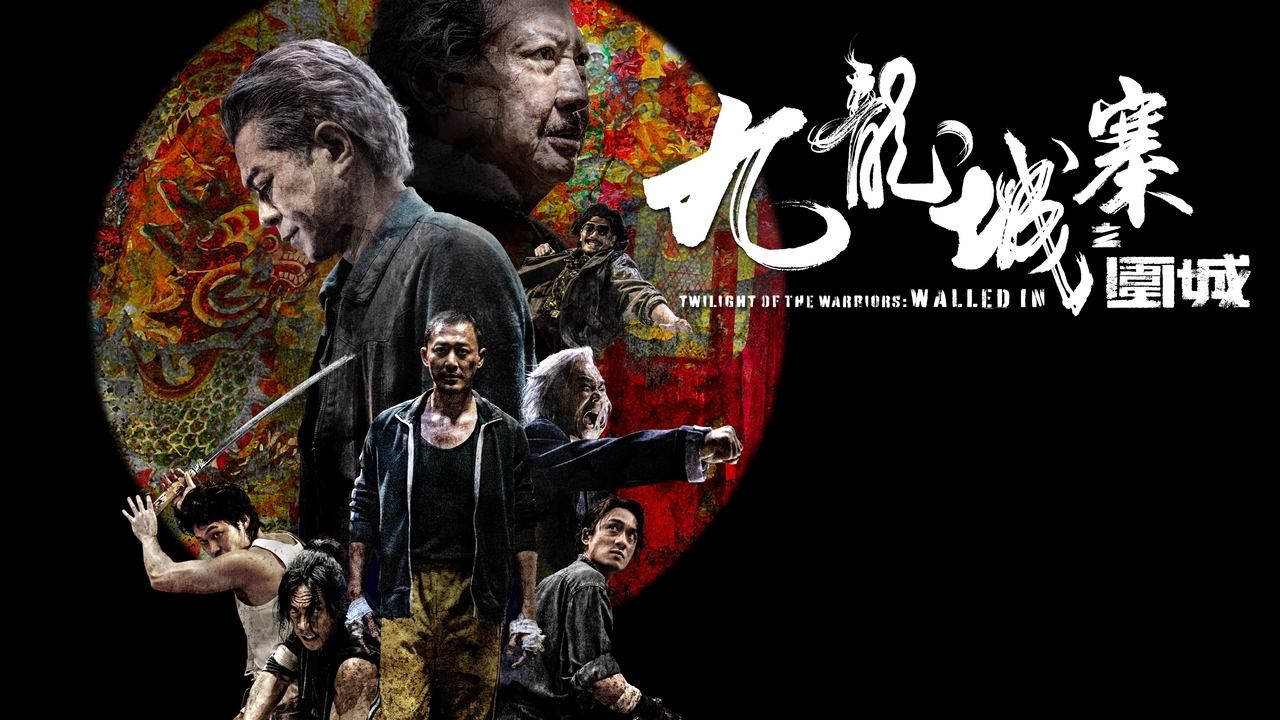
Fikri Jermadi was gobsmacked by some of the smackdown in Soi Cheang’s latest film.
Set in 1980s Hong Kong, ‘Twilight of the Warriors: Walled In’ tells the story of Chan Lok-kwan (Raymond Lam), a refugee in Hong Kong seeking to purchase fake identification. Cheated by local crime boss Mr. Big (Sammo Hung), he steals something in retaliation, and runs away to Kowloon Walled City.
There, he finds himself in the middle of tense relations between Mr. Big and the crime lord Cyclone (Louis Koo). The latter would eventually guide him to a more fruitful life in the city, with strong bonds formed between himself, the local residents and his newfound comrades Shin (Terrance Lau), AV (German Cheung) and Twelfth Master (Tony Wu).
Problems arise when they realise how Lok-kwan’s presence in the City threatens Cyclone’s alliance with the other crime lords Dik Chau (Richie Jen) and Tiger (Kenny Wong). With Mr. Big and his right-hand man King (Philip Ng) waiting in the wings to exploit this, it is a precarious situation for all.
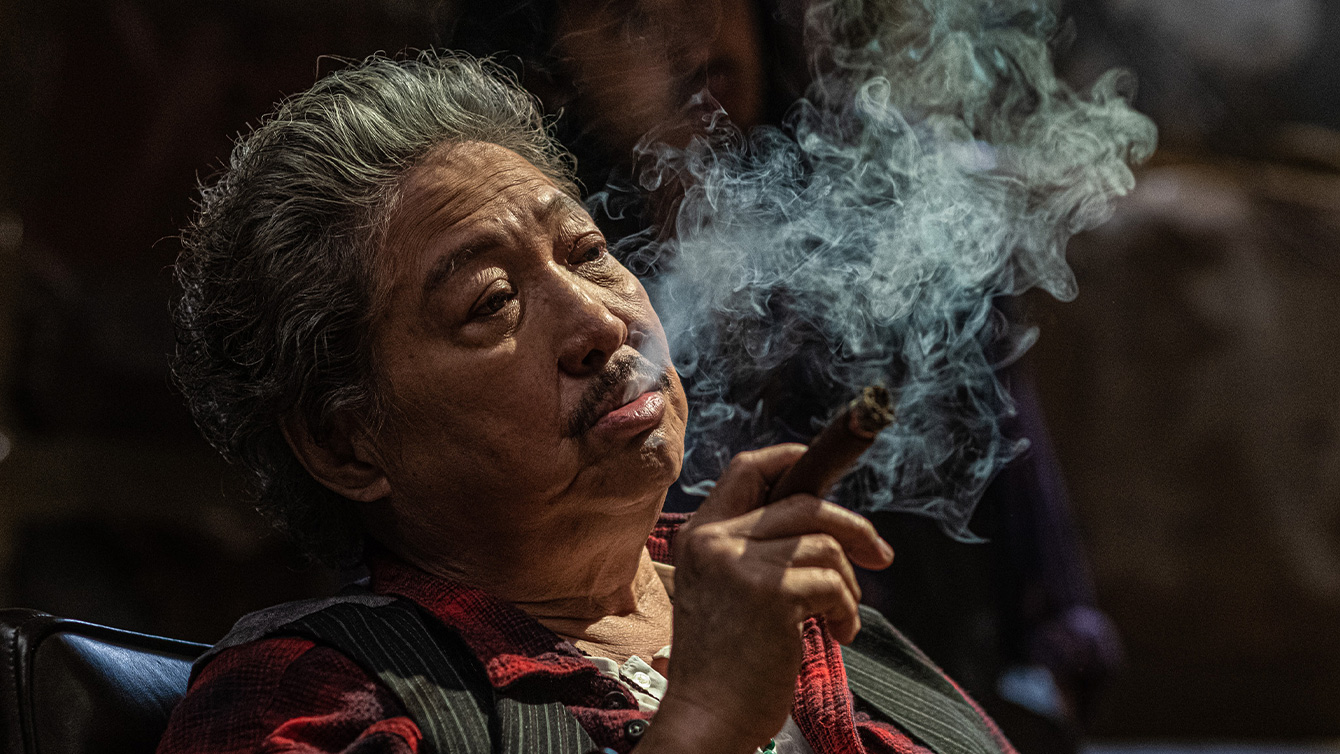
Adapted from a novel and a manhua, ‘Twilight of the Warriors: Walled In’ works best as a love letter to Hong Kong on several levels. The first is addressed to its cinema of that age, best seen through the casting of veteran actors in prominent roles. The likes of Aaron Kwok, Louis Koo and Richie Jen pull their own weight, but it is the presence of the legendary Sammo Hung which delights me the most, as he still packs quite a literal punch as Mr. Big.
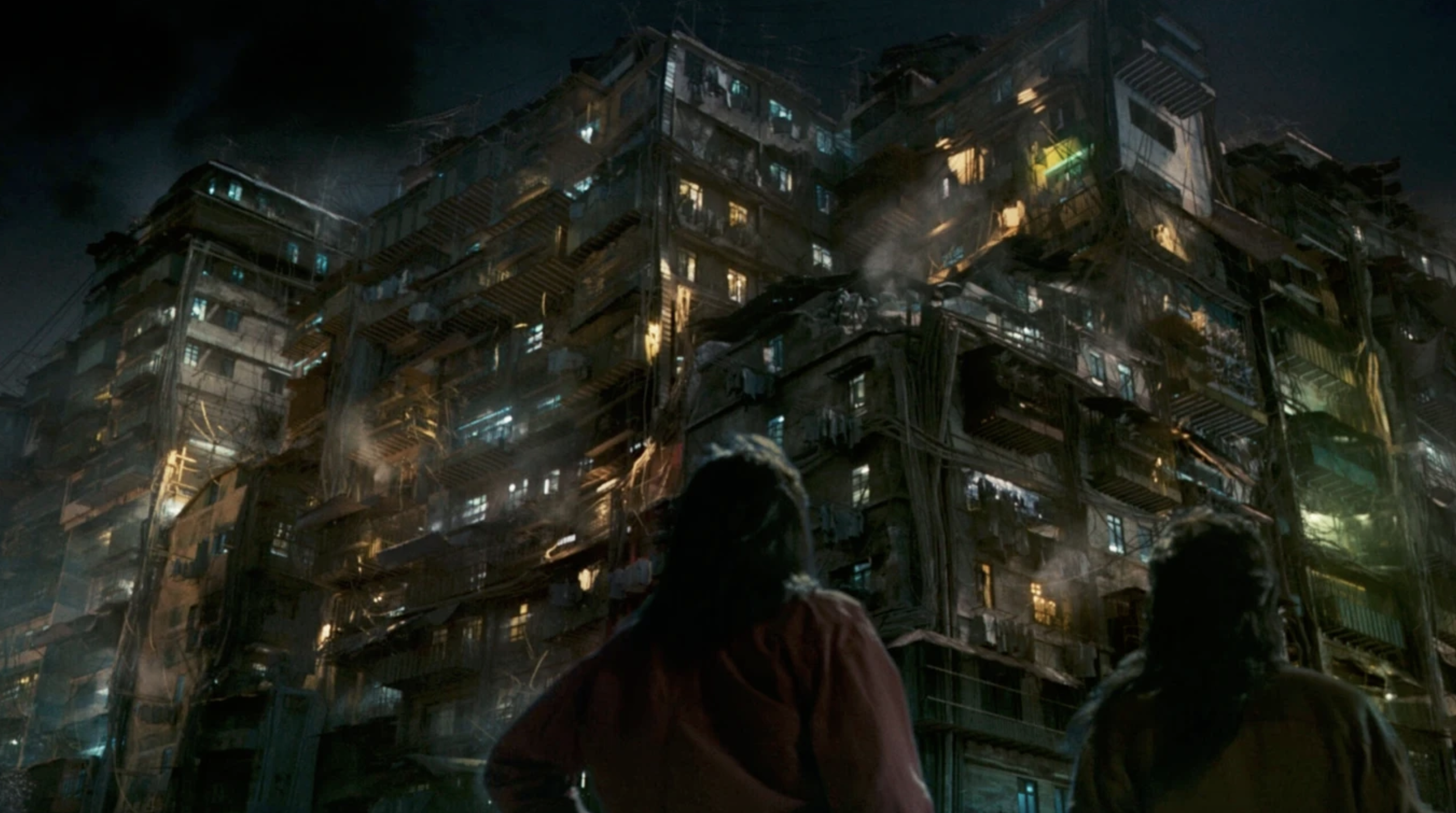
The second letter is written to Hong Kong itself. Kowloon Walled City is the film’s central yet hidden character: a densely populated area of the working class, with different areas controlled by various triads. It is no longer with us now, and perhaps the film did run the risk of romanticising what was seen as a lawless enclave. However, its visual influence remains strong, with even Christopher Nolan noting it for his version of The Narrows in ‘Batman Begins’.
Yet what made it appealing here is not the architecture, but the people within. We see this with random residents giving Lok-kwan food and advice for survival upon his initial entry into the city. When Lok-kwan notes in a later scene how he can now sleep soundly until dawn, Cyclone’s response is telling. “The reason you can sleep soundly isn’t the Walled City. It’s the people inside it.”
It is this community that he seeks to protect, through a balance of empathy and authority (which would undoubtedly come undone under Mr. Big’s more capitalistic tendencies). These are people demonised from the outside as the worst of the worst. “The Walled City’s stench,” says Cyclone in another scene, “will drive away any normal person.”
That normalcy in the bigger picture can be seen through brief news reports on television, detailing the British handover of Hong Kong to China. Though still a few years away, there are fears of what will happen with Kowloon Walled City, with demolition mooted as a strong possibility.
That leads to another, more nuanced reading of ‘Twilight of the Warriors: Walled In’. The main narrative drive is the idea of home (and people’s fear of their dislocation from it). This is what Lok-kwan wants: the pursuit of fake ID is really a search for a home, an acknowledgement that he is someone a part of something.
This undertone is can be linked to real life affairs. Hong Kong is due to be officially subsumed into mainland Chinese rule in the year 2047. Yet even now there are numerous encroachments from the central government, leading to conflict and resistance in the past few years. As such, the community’s fight to maintain their way of life mirrors off-screen realpolitik tensions.
Beyond a home, Lok-kwan finds himself a brotherhood. This is catalysed in one of the film’s funniest scenes, as his attempts to punish a woman beater is coincidentally matched by AV, Shin and Twelfth Master. A follow up scene suggests a potential rebuke from Cyclone for this, but for a last-minute swerve: “The next time you start a brawl… count me in.”
That comes as they observe children playing with a kite. In a way, the kite is a metaphor for their dreams, often dashed by cruel realities. Yet, by correctly predicting the right time and amount of wind to fly the kite, Cyclone has given them (and Lok-kwan) more hope than they might have felt otherwise. “I didn’t think we can fly kites here,” Lok-kwan muses aloud.
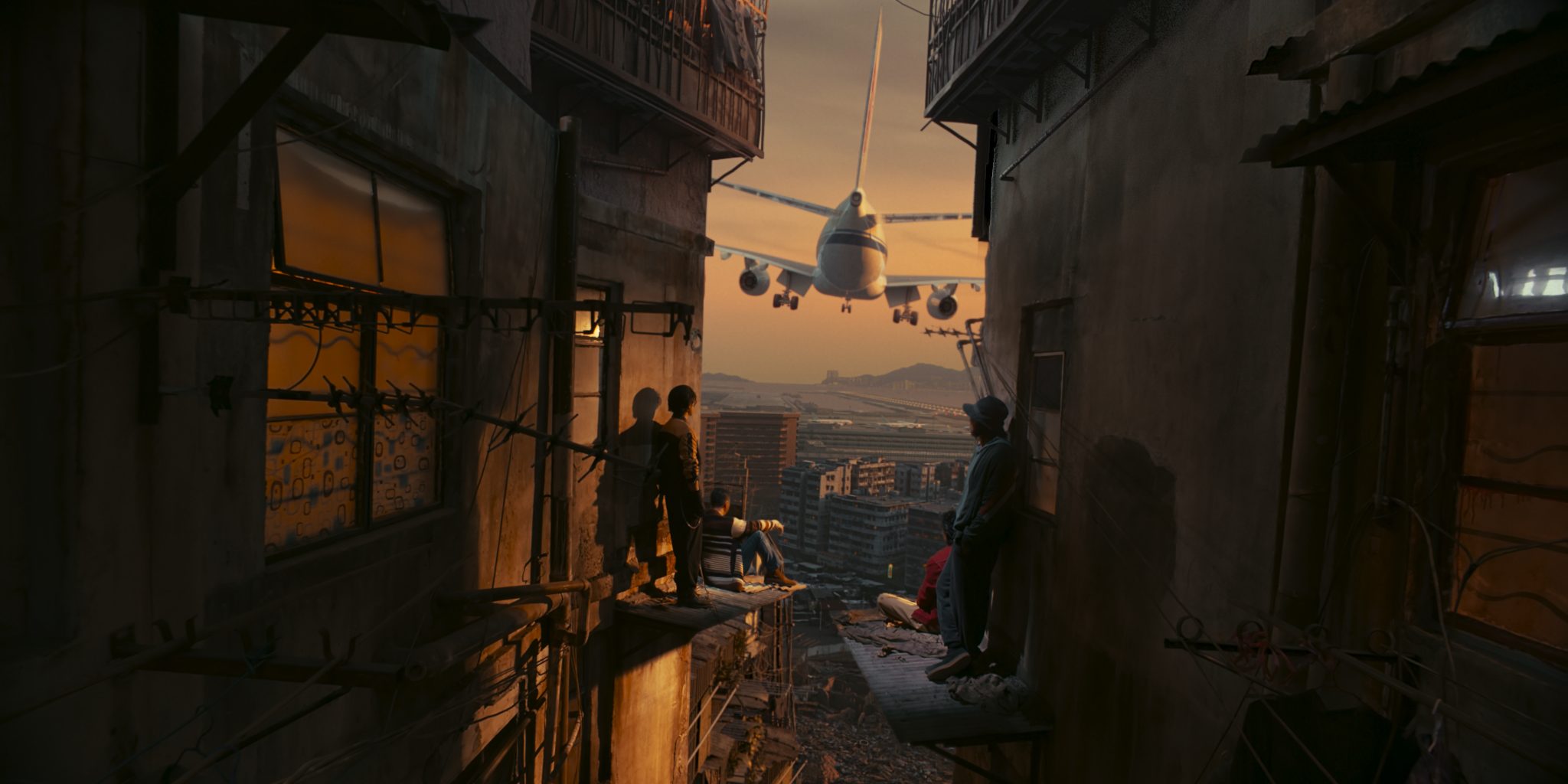
Another scene earlier in the film sees Lok-kwan looking up as an aeroplane glides above them, without registering it on its radar. I might be reading too much into this, but all the same, Kowloon Walled City is/was a place close to the riches of Hong Kong without becoming the stop people never make on their way elsewhere.
That is their loss, for there are some interesting characters in ‘Twilight of the Warriors: Walled In’. I am particularly interested in German Cheung’s AV, the resident medical expert who is nicknamed as such due to the porn shop he runs. His covered face maintains an intrigue in the character, highlighting the missed potential I mentioned above.
While the others are compelling in their own way, the leader of that pack is Philip Ng’s King. The actor’s garish treatment of him makes the character very memorable. It took me a while to get on top of who’s who once the film got going, but I never lost sight of King from the get go, whose loud outfits is matched by his even louder mouth and max volume fighting skills.
Speaking of which, the action, choreographed by Kenji Tanigaki, develops nicely throughout the film as well. They are as impressive as they are relentless, and I can imagine having a nice debate about which is the best fight sequence. Lok-kwan’s first entry into the walled city? Multi-level and chaotic. His introduction to Cyclone? Brief, but incredibly cool.
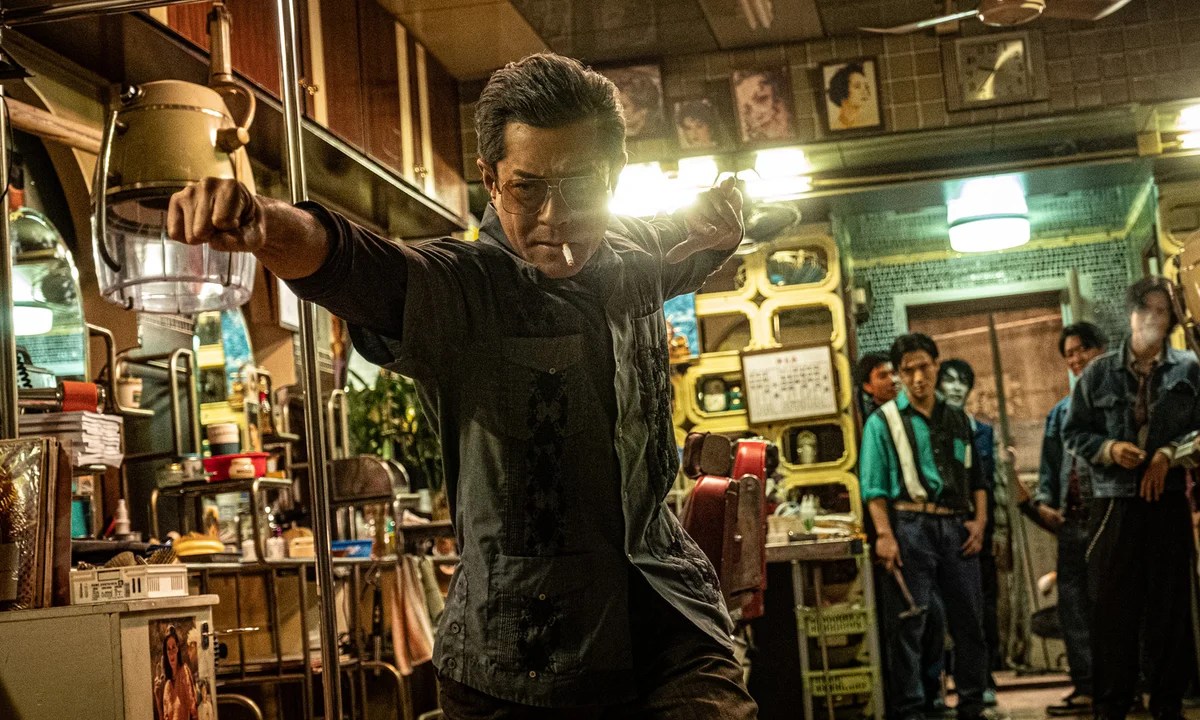
Similarly, Mr. Big’s own entry into the fray was majestic. As mentioned earlier, this is where Tanigaki’s work shines, as he does wonders to enhance each actor; with everyone coming in at various levels of skill, experience and age, the suspension of disbelief is maintained through a fine balancing act between who is doing what and why.
You can believe the young bucks when they are skirmishing their way through the narrow streets of the city. You can also believe it when they get taken out by a single punch from the boss level characters like Cyclone or Mr. Big. In addition to Soi Cheang’s fine directing, this is done through the cutting of the film. Cheung Ka-fai’s editing imbues these scenes with a lot of energy, but this pacing is also an effective way of minimising whatever downsides anyone may have.
All this results in a fine contemporary addition into the wuxia hall of fame. This is good news for Hong Kong cinema as a whole. You would think that what is the third-highest grossing Hong Kong film in history would have finished its year on top, yet ‘The Last Dance’ stole that crown at the death in December 2024.
Nevertheless, that the top five of that list all came in the last few years suggests a healthy state of being for Hong Kong cinema (at least for those at the top), whatever the real life tensions may be, and ‘Twilight of the Warriors: Walled In’ deserves to be in that conversation up there.
‘Twilight of the Warriors: Walled In’ is nominated in nine categories at the 2025 Asian Film Awards, including the award for Best Picture.
Featured image credit: Tusserte / Deviant Art
 thoughtsonfilms.com